
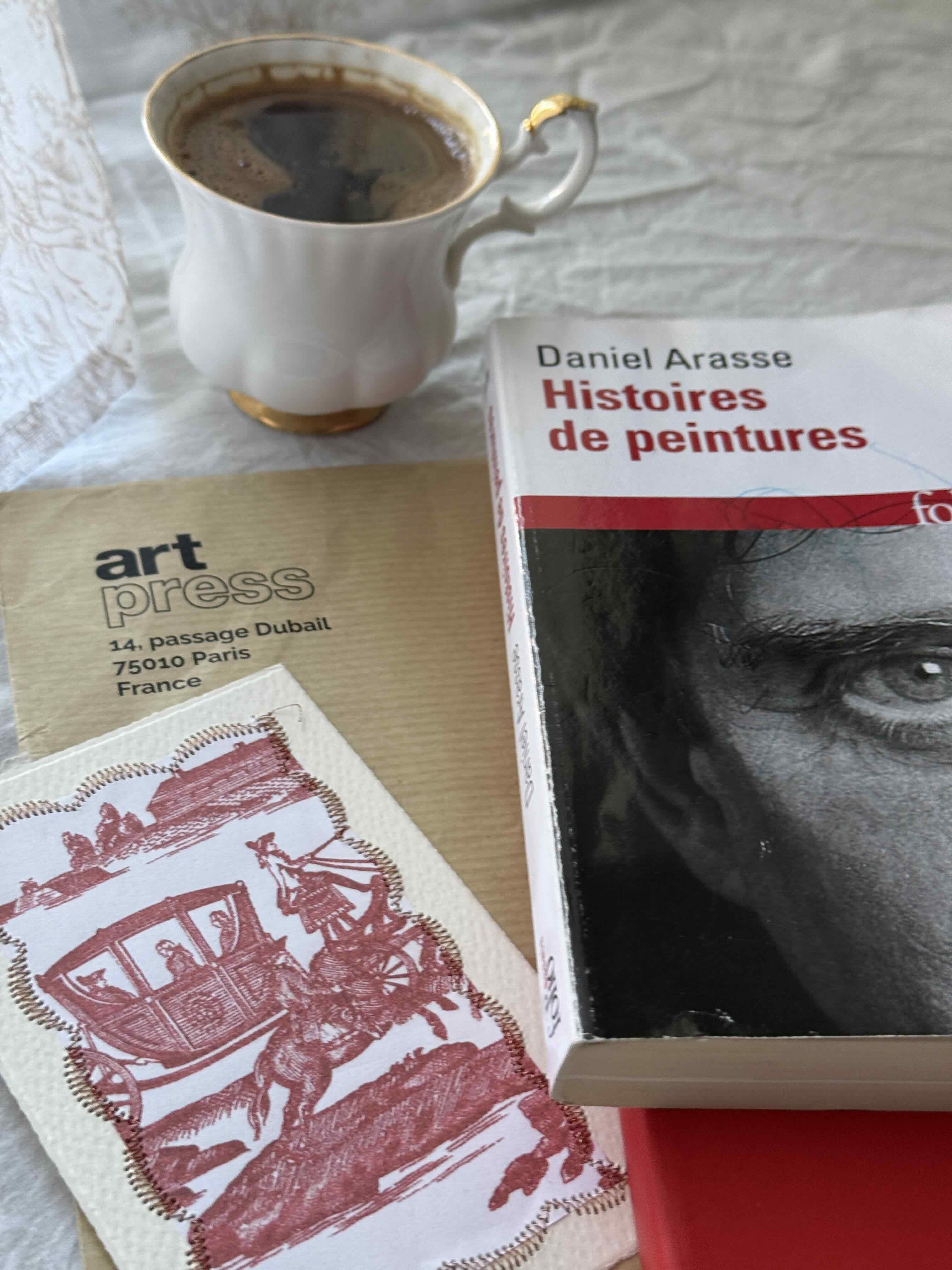
You love the idea of tea: the slow pouring, the steam, the quiet ceremony. In practice, you're a coffee person. Most mornings it's an espresso swallowed standing up, or a cup carried from room to room until it's cold.
The Japanese tea ceremony might have something to offer, even if your cup is full of coffee.
What the tea ceremony is
The Japanese way of tea, chanoyu, developed over centuries and was shaped profoundly by the sixteenth-century tea master Sen no Rikyū. A host prepares and serves tea to guests with great care, in a simple room, following precise, graceful gestures. Every movement has meaning: cleaning the utensils, whisking the tea, turning the bowl before offering it.
The ceremony is traditionally associated with four principles: wa (harmony), kei (respect), sei (purity) and jaku (tranquility). It isn't really about tea. It's about giving full attention to an ordinary act, and to the people sharing it.
A coffee ritual in the same spirit
You don't need special tools. You need ten minutes and the willingness to slow down.
1. Harmony: prepare your space. Clear a small area of the table. Choose a cup you love. Put your phone in another room. 2. Respect: honor the ingredients. Look at the coffee before you prepare it. Smell the grounds. Notice the color. 3. Purity: one gesture at a time. Heat the water, pour slowly, watch the coffee bloom or the espresso flow. Don't do anything else while it brews. 4. Tranquility: sit and drink. Hold the cup in both hands. Take the first sip with full attention. Look out of a window or at a painting. Finish the cup before getting up.
If you share it, prepare the coffee for someone else with the same care, and offer it to them with both hands.
Why it works
The ritual turns an automatic habit into a small daily meditation. It costs nothing, takes ten minutes, and uses something you'd be doing anyway.
More rituals from around the world
The Digital subscription brings small rituals, art, books, music and places into your month, with at least one video each month, photo stories and the digital edition of "(meditating) On Art". Ideas for turning ordinary moments into ceremonies.
Remember to take as much time as you need, and meet me at the next one.
Love, Evi