The film ends. Before the credits have even finished rolling, a small countdown appears in the corner: next episode in five seconds. You didn't decide anything. It simply carries on.
The same happens everywhere. A song ends and the next one is already playing. A video ends and three more are waiting. A painting on your screen is replaced by the next post before you've noticed its colours.
The real enemy
We're often told the problem is screens, or subscriptions, or social media. I don't think so. I like films. I like music. I like my phone. The problem is the half-second we no longer have between one thing and the next. The "next" button. The absence of silence.
Silence was always the part that came after. You closed the book and stared at the ceiling. The curtain fell and nobody moved. That pause is where a story or a painting actually reached you.
What I found when I wrote meditations
For years I wrote guided meditations that I never shared. Something in them always felt overacted, and it took me a long time to see what it was: there was no room for silence. Every "breathe in" was followed by another instruction.
That's why every practice I share now ends the same way: a guide, not a guided meditation, followed by silence.
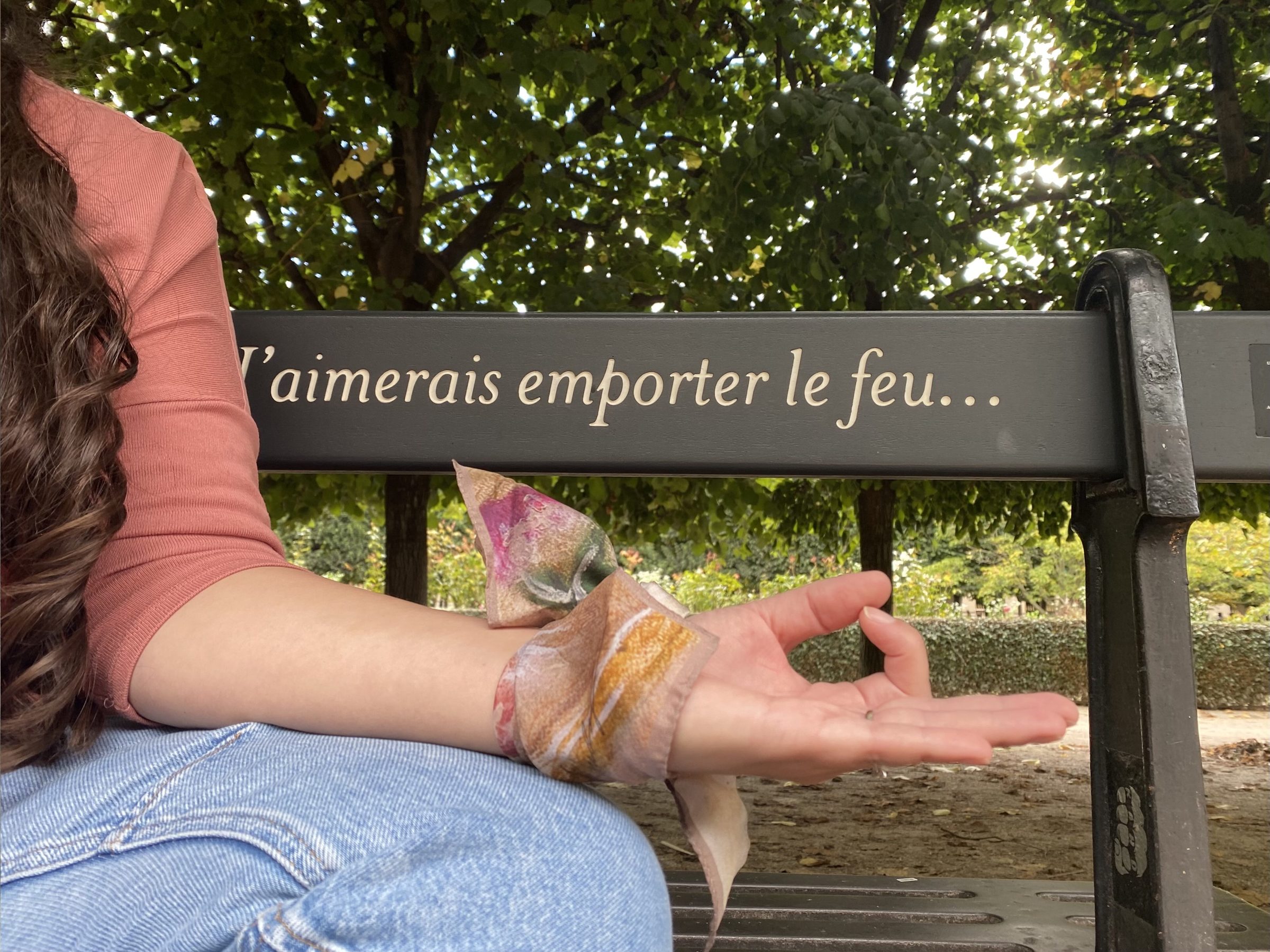
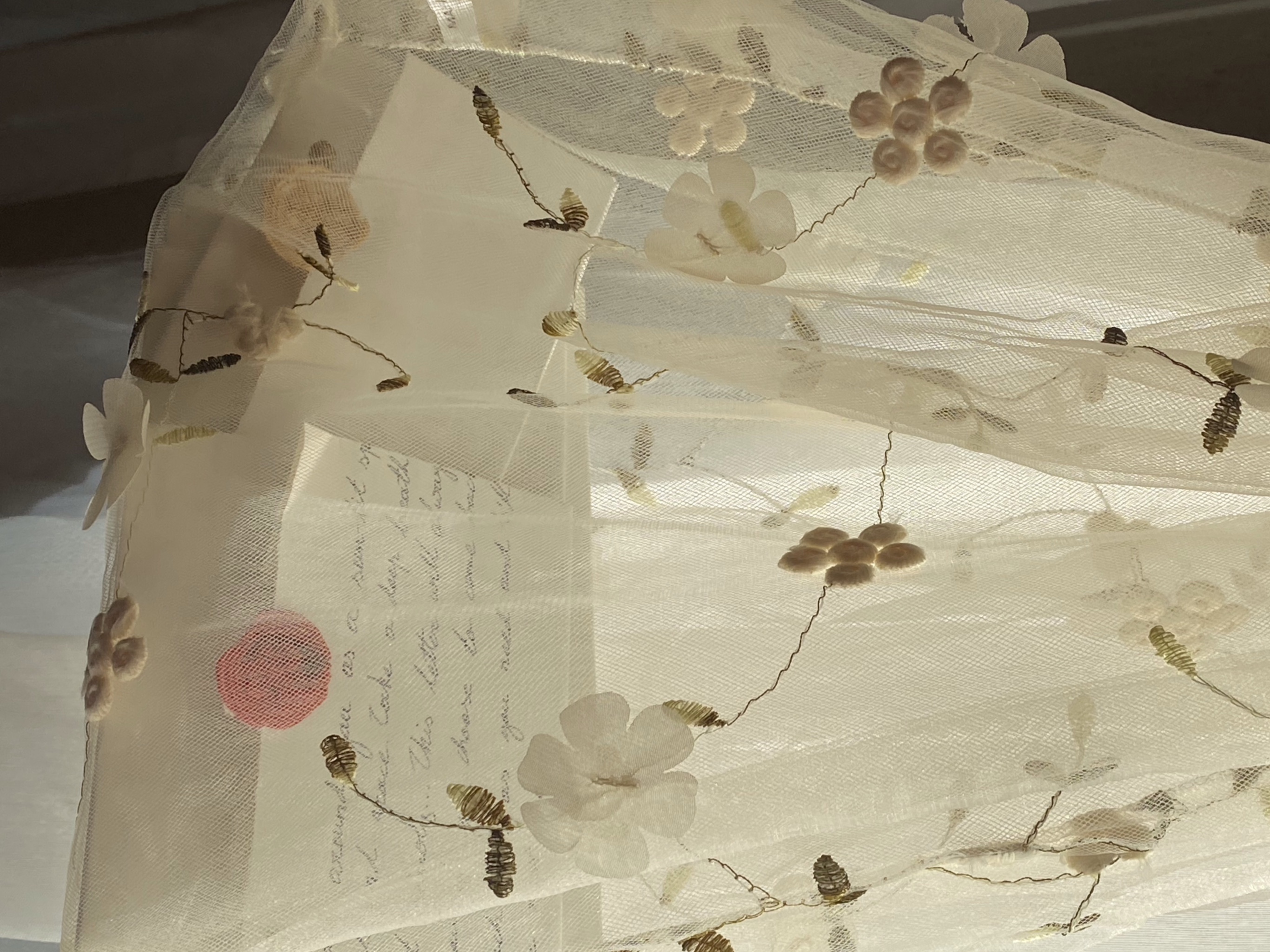
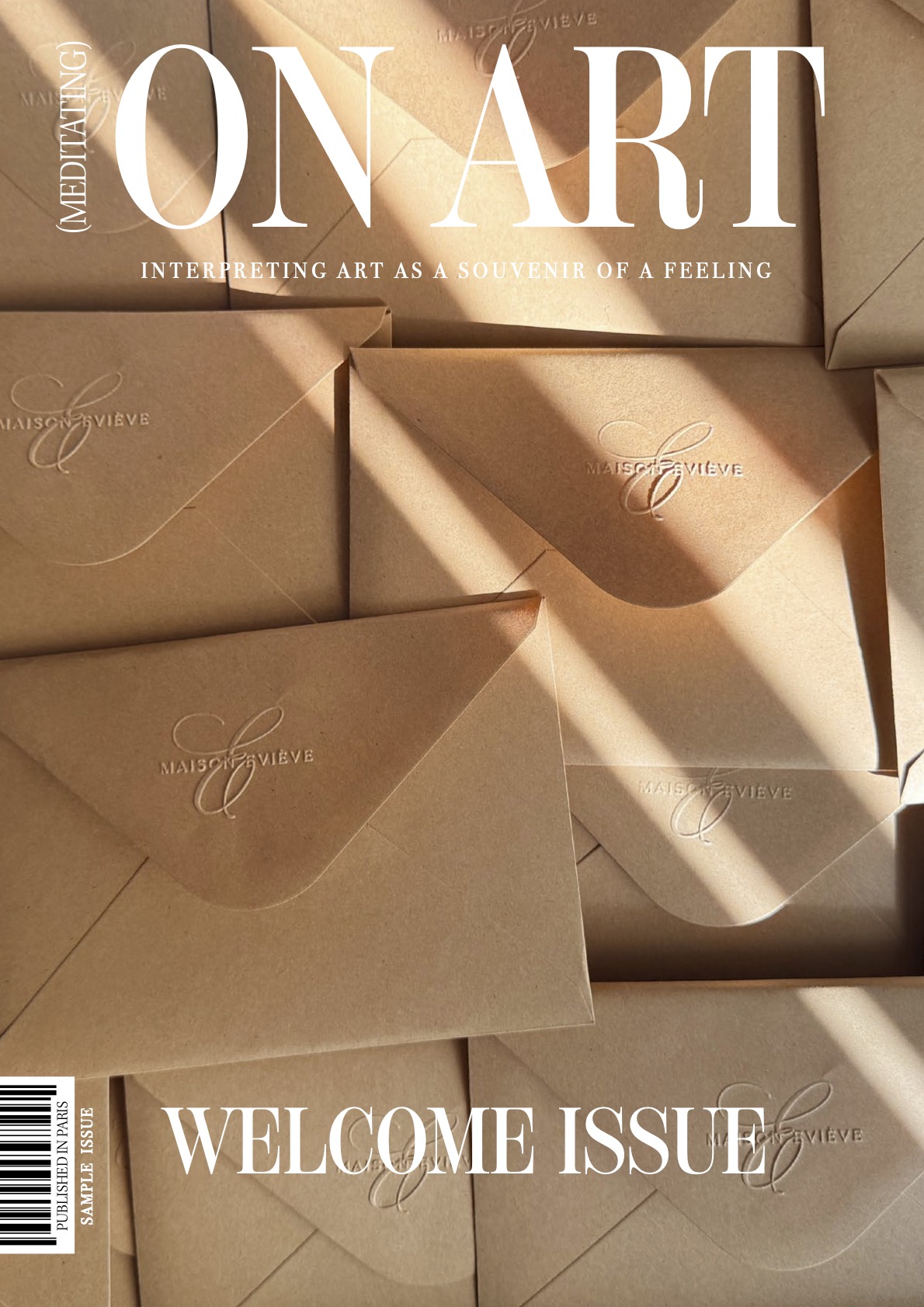
If you like reading slowly, you'll like the welcome issue of “(meditating) On Art”: free to read on screen, with a meditation on receiving a letter.
A small experiment for this week
Try this with something you already enjoy:
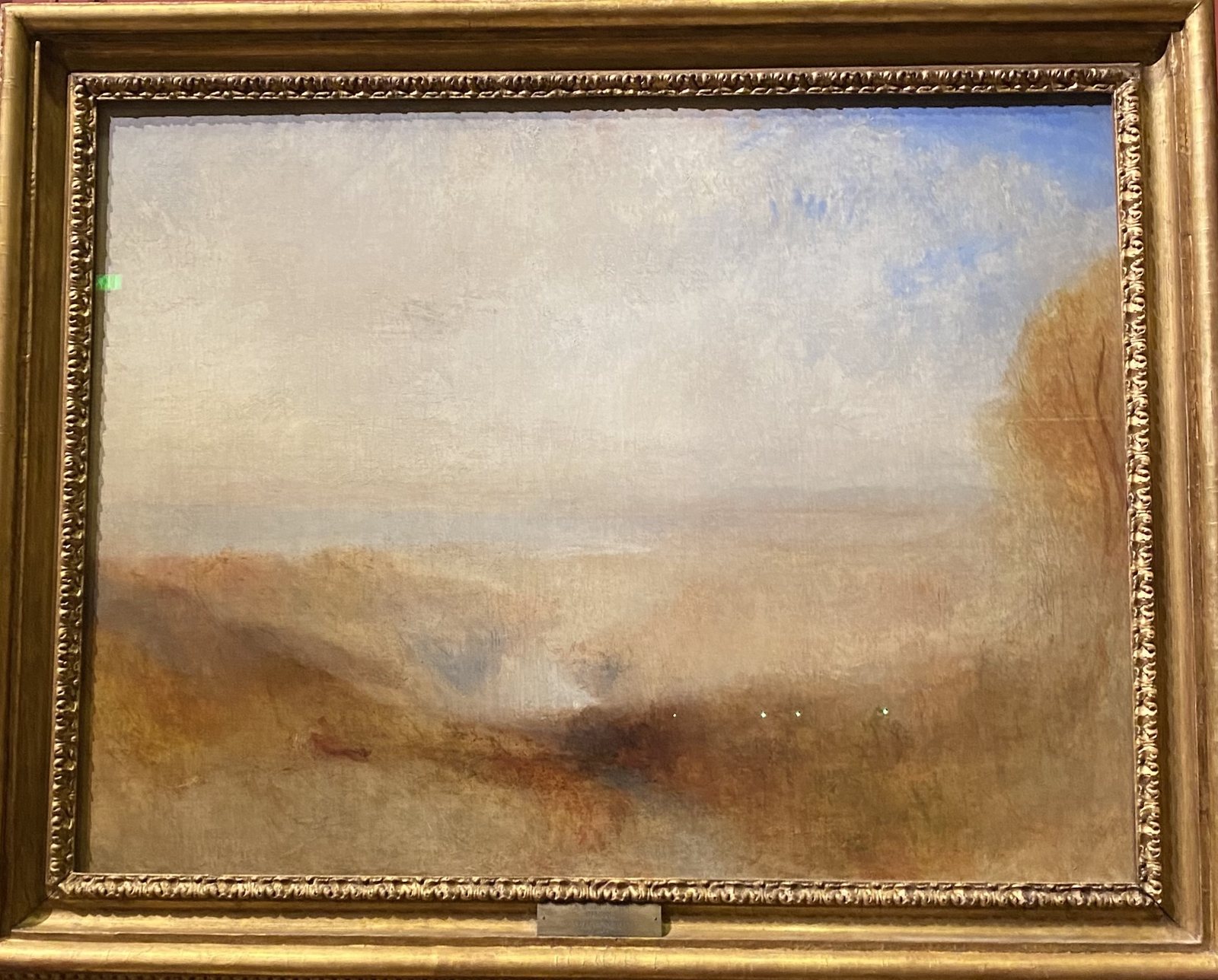
- Watch a film, listen to an album, or look at a painting, the way you normally would.
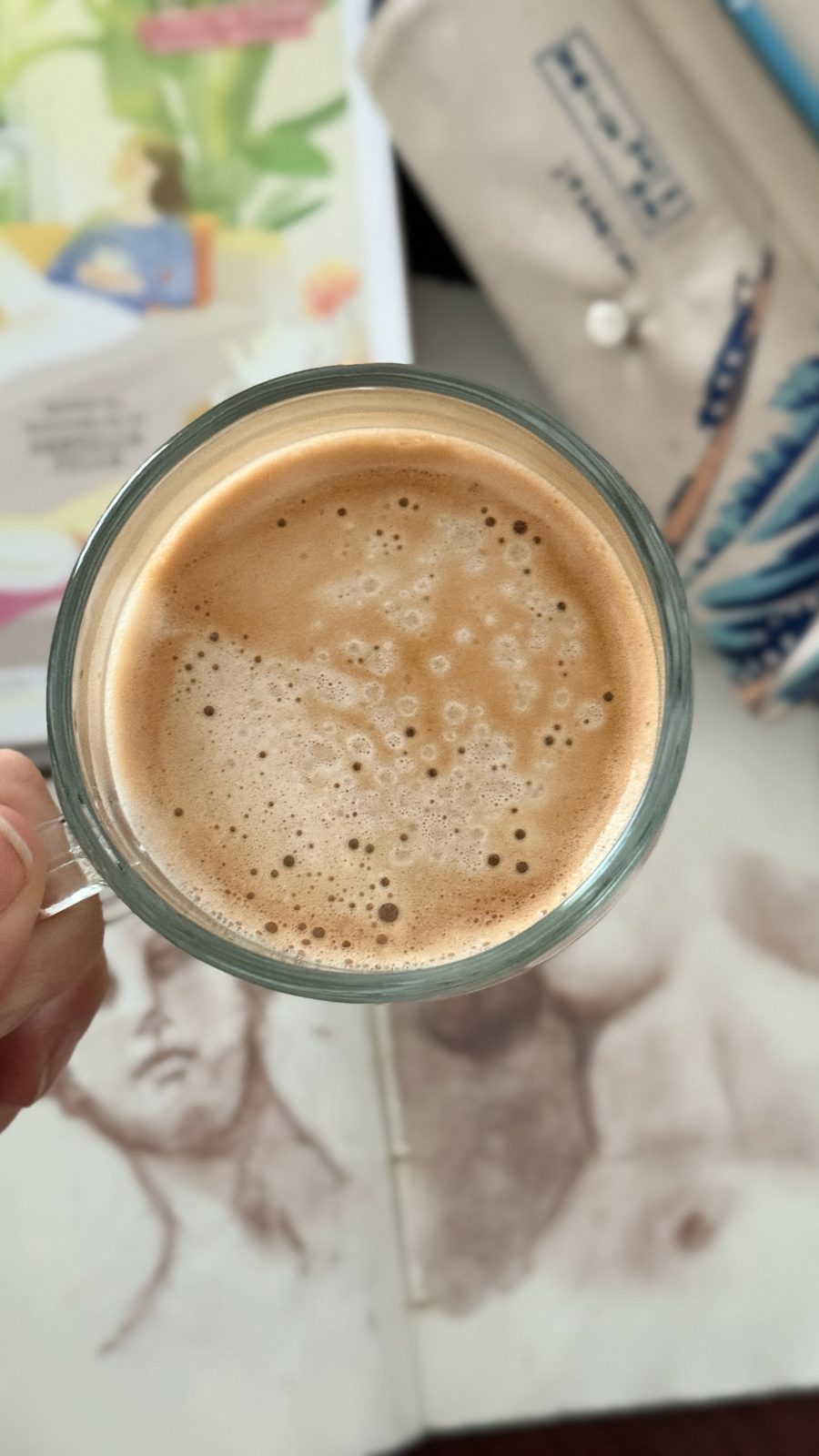
- When it ends, don't press anything. Put the remote or the phone face down.
- Sit for one minute. No thoughts to have, nothing to analyse.
- Notice what's still there: a line of dialogue, a colour, a feeling you can't quite name.
That feeling is what you keep. It's what I call a souvenir of a feeling.
An issue built around that minute
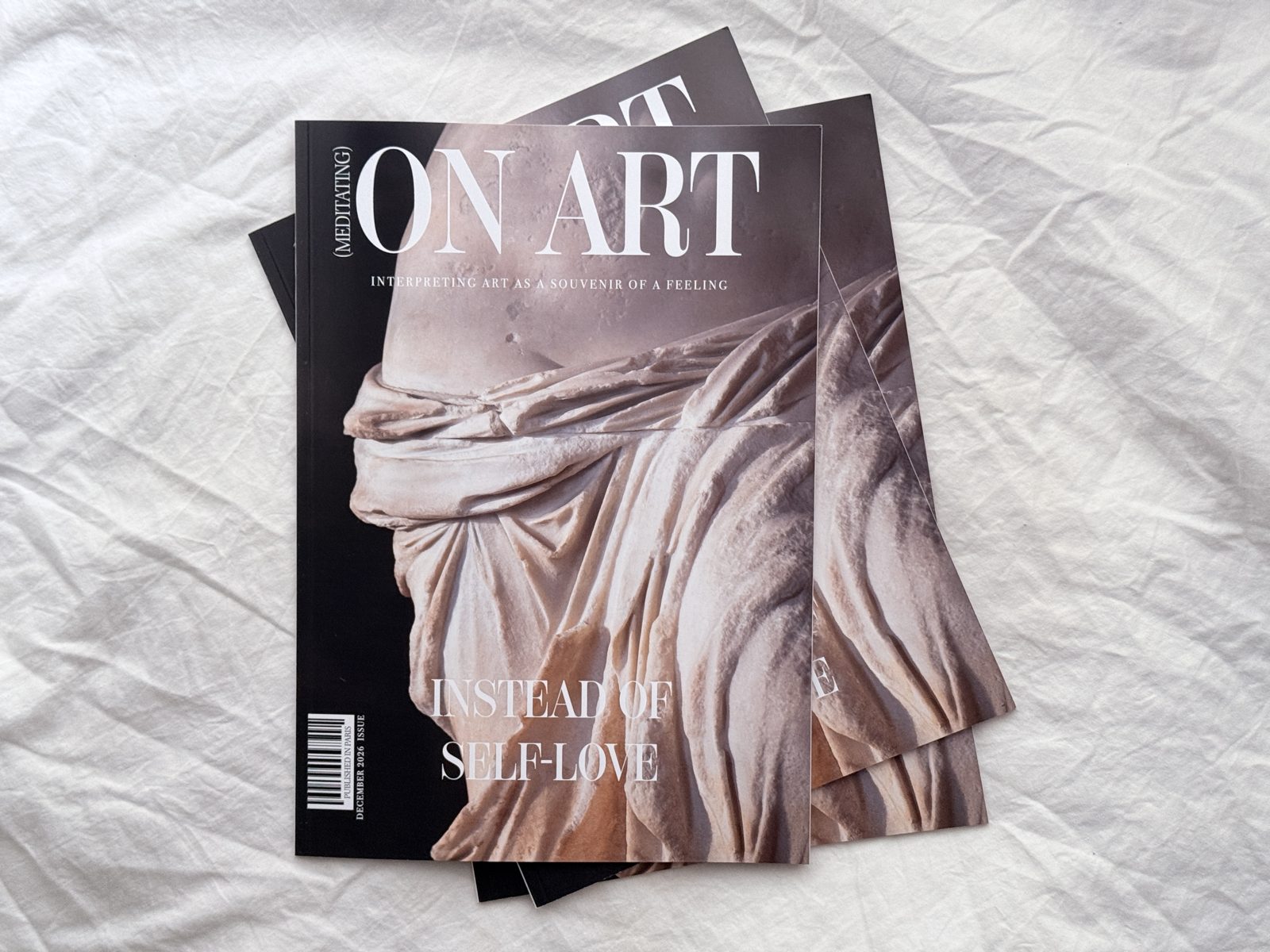
This is the idea at the heart of issue 01 of "(meditating) On Art", our printed magazine in English and French. It opens with an editorial on knowing silence, and everything that follows leaves room for it: a slow way of looking at Aphrodite of Milos, an art-history study I'm beginning and five steps to start your own, things to read, watch, visit and bake, a month of short meditations, and a planner.
Nothing in it asks you to keep scrolling. It's printed and bound, so the next page only turns when you decide.
How to receive it
The magazine comes with "(letters) On Art", a letter in your mailbox every month. Subscriptions open in December, and anyone who subscribes in December receives issue 01. From January, new subscribers begin with the next season's issue.
Remember to take as much time as you need, and meet me at the next one.
Love,