London, December 1843. Henry Cole has a problem: a pile of unanswered letters from friends and family, and not enough evenings to answer them all. Writing to each person by hand, as people did then, would take weeks.
So he asks his friend, the painter John Callcott Horsley, to design a card he can send to everyone instead. Cole's diary records the evening Horsley came round with the design. It's the first commercially printed Christmas card.
What the card showed
The card was a hand-coloured lithograph, small enough to hold in one hand. In the centre, three generations of a family raise their glasses around a table. On either side, scenes of charity: feeding the hungry, clothing the poor. At the top, a space for the recipient's name. At the bottom, a space for the sender.
A thousand copies were printed and sold for a shilling each.
Why it shocked people
Look closely at the family toast and you'll see a small child drinking wine with the adults. In a decade when the temperance movement was growing, some critics felt the card encouraged drunkenness. The first Christmas card, in other words, came with its first Christmas controversy.
Only a small number of the original cards survive today, and they are treasured by collectors and museums.
If you like reading slowly, you'll like the welcome issue of “(meditating) On Art”: free to read on screen, with a meditation on receiving a letter.
A shortcut that became a tradition
Cole's card was, honestly, a way to write less. A printed greeting, a name at the top, a signature at the bottom. It took decades to catch on, but once it did, it never stopped. Today many of us send dozens of cards each December, often with nothing more than our names inside.
There's nothing wrong with a card. But it's worth remembering what it replaced: a letter.
Try this, just once this year
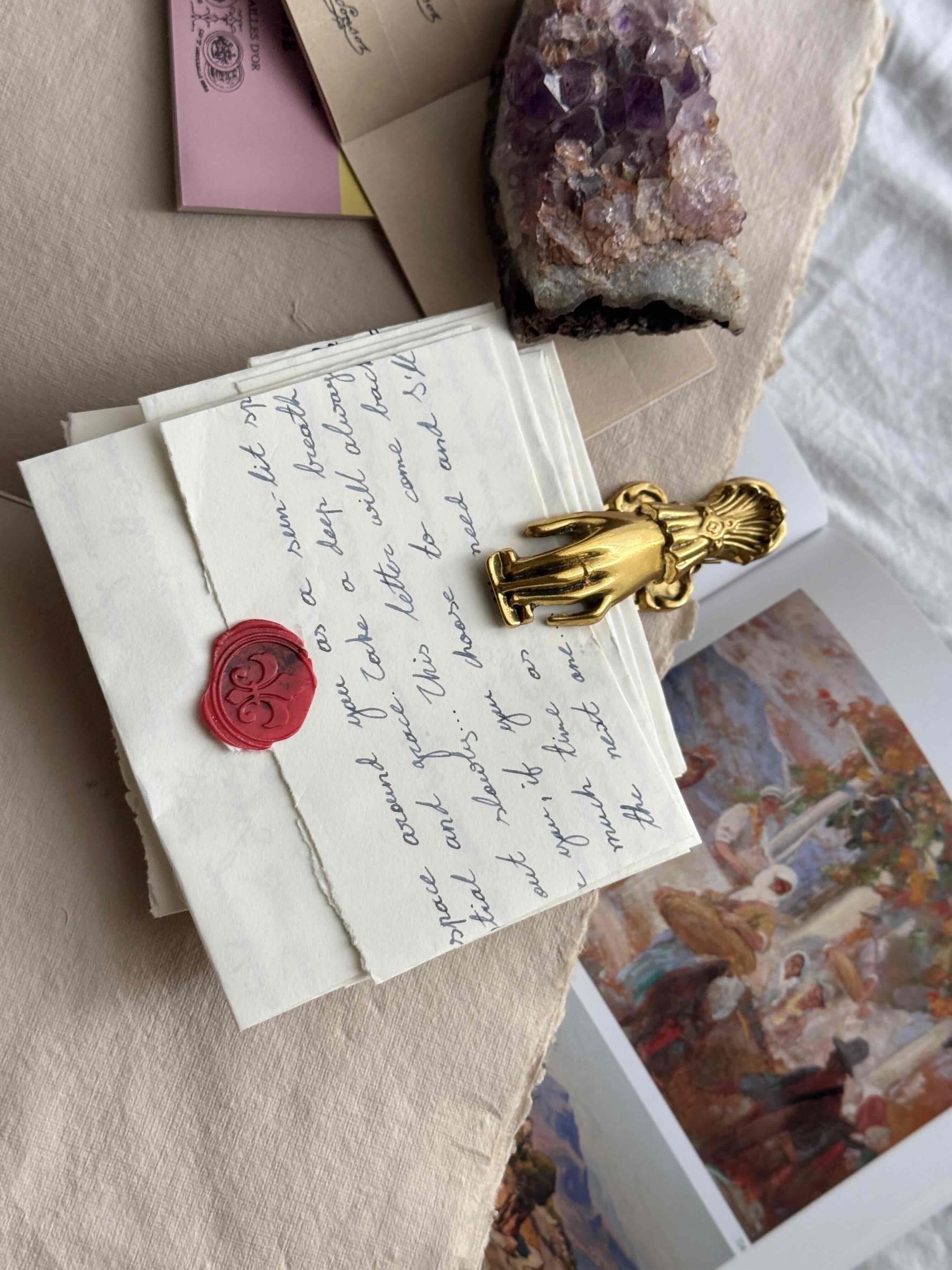
Choose one person from your card list. Instead of a card, write them a real letter, even a short one. Tell them one thing you remember from this year, one thing you noticed about them, one thing you hope for them. It will take twenty minutes. It might be the only one they keep.
A letter a month, not a card a year
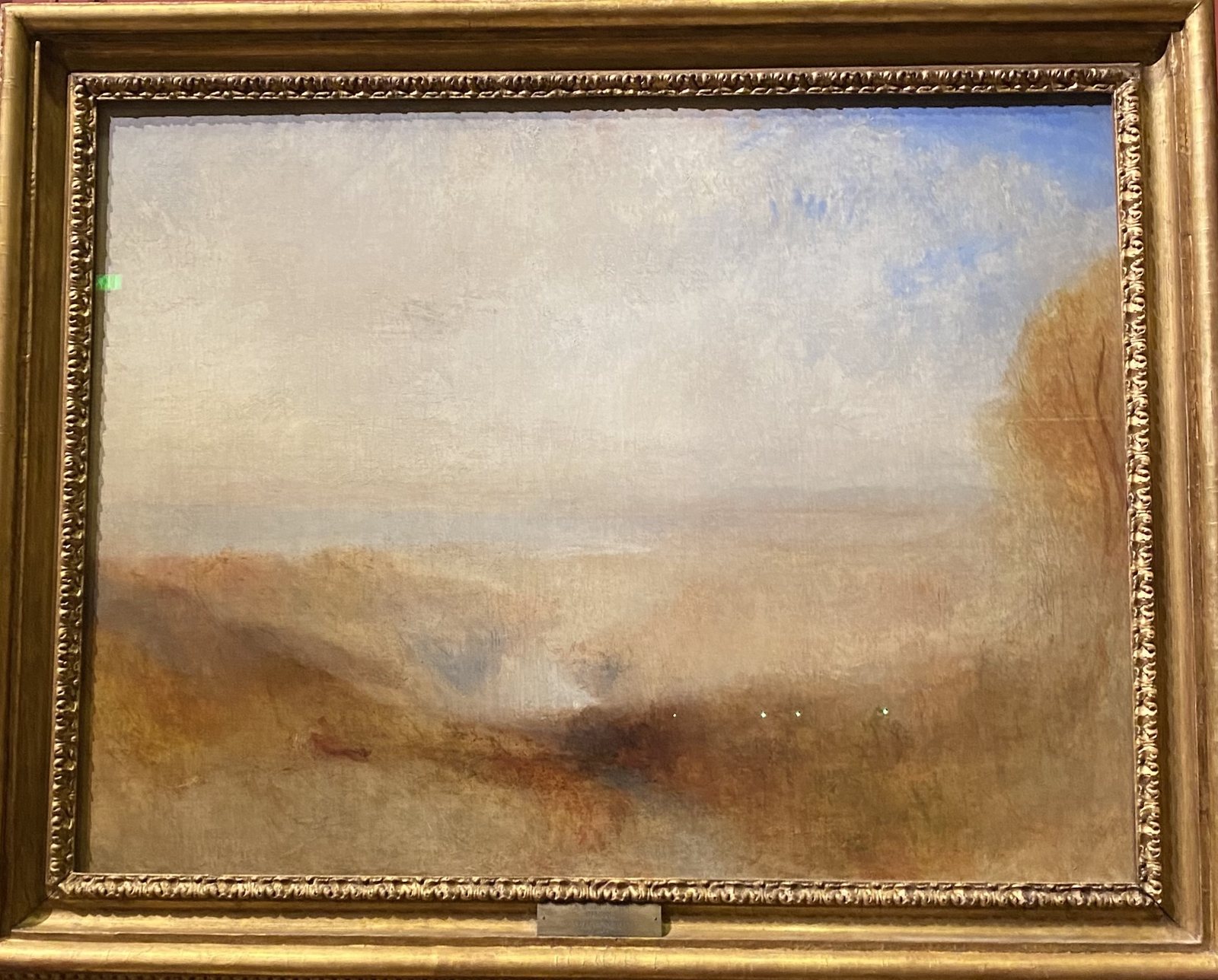
I started "(letters) On Art" because I missed letters like that. Once a month, an envelope arrives with typed pages, a few handwritten lines, a work of art and a short practice to look at it slowly. Every season, our magazine arrives too. A year of it is twelve letters instead of one card. And in this first year, yearly subscribers are founding members, with a tiny original oil painting posted with the magazine from March 2027.
Remember to take as much time as you need, and meet me at the next one.
Love,